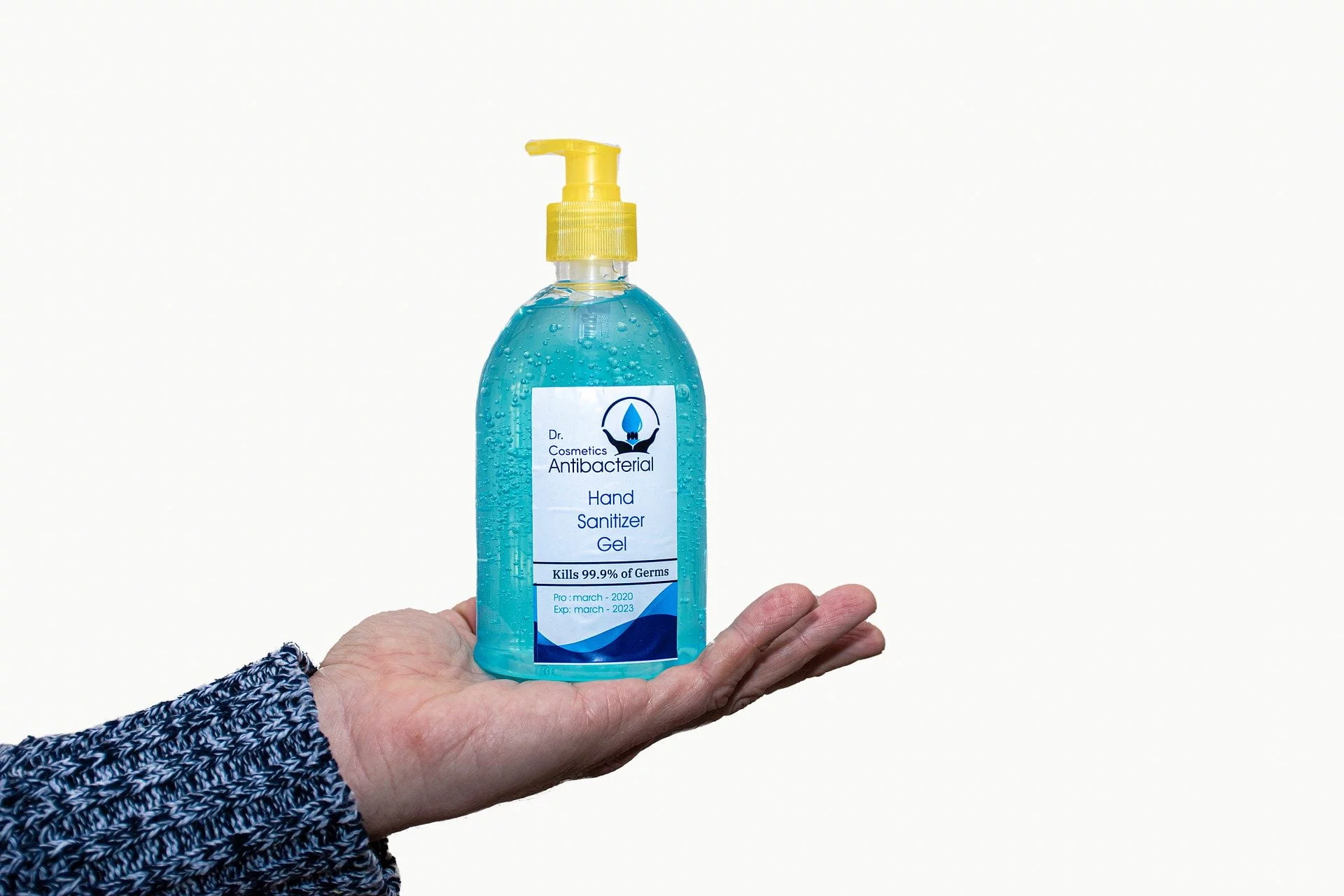
Ethanol is one of the most widely used active substances in disinfectant products on the European market. However, its regulatory status is set to change under the EU Biocidal Products Regulation (EU) No 528/2012 (BPR). The changes will particularly affect manufacturers, importers and distributors of hand disinfectants, surface disinfectants, and disinfectants used in the food and feed sectors.
The European Commission has made progress in the regulatory process concerning the approval of ethanol, and companies should now begin preparing for the upcoming requirements. Companies wishing to continue marketing ethanol-based biocidal products in the EU will need to obtain product authorisation in accordance with the BPR.
Ethanol approval progresses at EU level
On 24 February 2026, the European Chemicals Agency’s (ECHA) Biocidal Products Committee (BPC) adopted opinions supporting the approval of ethanol as an active substance in three biocidal product types:
- PT1 – Human hygiene: Hand disinfectants and other products intended for human hygiene.
- PT2 – Disinfectants and algaecides: Products intended, for example, for the disinfection of surfaces and other materials.
- PT4 – Food and feed area disinfectants: Disinfectants intended for surfaces, equipment and materials associated with the production and handling of food and feed.
According to ECHA’s Biocidal Products Committee, the safe use of ethanol was demonstrated for the assessed uses. However, the Committee did not reach a definitive conclusion regarding the potential carcinogenic or reproductive toxicity properties of ethanol.
The opinions were submitted to the European Commission, which is responsible for making the final decision on the approval of the active substance.
1. European Commission draft implementing regulation – consultation period ended on 23 November 2026
A significant step forward was taken when the European Commission published a draft implementing regulation concerning the approval of ethanol. The draft was also notified to the World Trade Organization (WTO) on 24 September 2026.
The notification reference is G/TBT/N/EU/1237.
The draft proposes the approval of ethanol as an active substance in biocidal product types PT1, PT2 and PT4. The purpose of the WTO notification is to allow interested parties to submit comments on the proposed regulation before a final decision is made.
The consultation period ended on 23 November 2026.
This is an important milestone for manufacturers and other industry stakeholders, as preparations for the regulatory change have now progressed to a concrete draft regulation.
2. Approval regulation expected in February 2027
According to the European Commission’s plans, the implementing regulation approving ethanol is expected to be adopted in February 2027.
Under the draft notified to the WTO, the proposed approval period for ethanol would begin on 1 May 2028 and continue until 30 April 2038.
However, it is important to note that this is still a draft regulation. Before final approval, Member States must discuss and vote on the proposal within the Standing Committee on Biocidal Products.
Nevertheless, companies should take the proposed timeline seriously and start preparing now.
3. Companies must apply for biocidal product authorisation before 1 May 2028
Approval of ethanol as an active substance does not automatically mean that all products containing ethanol will be authorised for sale on the EU market.
Under the BPR, finished biocidal products must also have the appropriate product authorisation. This requirement applies to companies manufacturing, importing or marketing ethanol-based disinfectant products.
At present, products may continue to be marketed under the applicable national transitional provisions. However, the situation will change once the approval of ethanol as an active substance takes effect.
Companies should submit the necessary biocidal product authorisation applications well in advance of 1 May 2028.
Submitting an application before this date may allow a product to remain on the market while the application is being evaluated. However, this is subject to the applicable transitional conditions being fulfilled. These may include ensuring that the product is already on the market and that the required notifications have been completed before the active substance (ethanol) approval date.
Preparing a biocidal product authorisation application involves meeting extensive data requirements.
The scope and requirements of the application depend on the product, product type, intended markets, applications and methods of use. Companies must also assess which authorisation route is most appropriate:
- National authorisation.
- Mutual recognition.
- Union authorisation.
In certain circumstances, simplified or faster authorisation procedures may also be available, such as the same biocidal product authorisation or the simplified authorisation procedure.
Why should companies start preparing now?
Preparing a BPR application can take several months. Obtaining the necessary study data, documentation and potential data access rights takes time.
Companies that postpone preparations until 2028 may face significant challenges in meeting application deadlines and maintaining uninterrupted market access.
This is particularly important for companies with several ethanol-based products or business operations in multiple EU Member States. These companies should develop a clear authorisation strategy for their product portfolios.
Starting preparations early helps companies manage costs, avoid unnecessary delays and ensure business continuity.
Selling ethanol-based disinfectants in the EU?
We can map your products, product types and markets against the 1 May 2028 deadline and recommend the right authorisation route.
How can Chementors help?
Chementors supports companies with biocidal product registrations and compliance with the requirements of the EU Biocidal Products Regulation (BPR).
Our services include:
- Assessment of the regulatory status of biocidal products.
- Review of BPR requirements applicable to ethanol-based products.
- Assessment of active substance supply chains and Article 95 requirements.
- Preparation of product-specific documentation and application dossiers.
- Development of biocidal product authorisation strategies.
- Support with national and EU-wide authorisation procedures.
Don’t wait until 2028 – start preparing now!
If your company manufactures, imports or markets ethanol-based disinfectant products, now is the right time to assess your products’ authorisation requirements and plan the necessary actions.
Contact Chementors to find out how we can help your company prepare for the new BPR requirements concerning ethanol and safeguard continued access to the EU market.